TradeMailer guide
Why Timing Matters With Planning Leads
How reaching property owners shortly after planning approval can help you get in before competitors and build a stronger pipeline of future work
Read articleTradeMailer guide
Learn what makes an introduction letter effective. Including the key details that build trust, encourage responses, and help property owners get in touch.
TradeMailer
29 April 2026
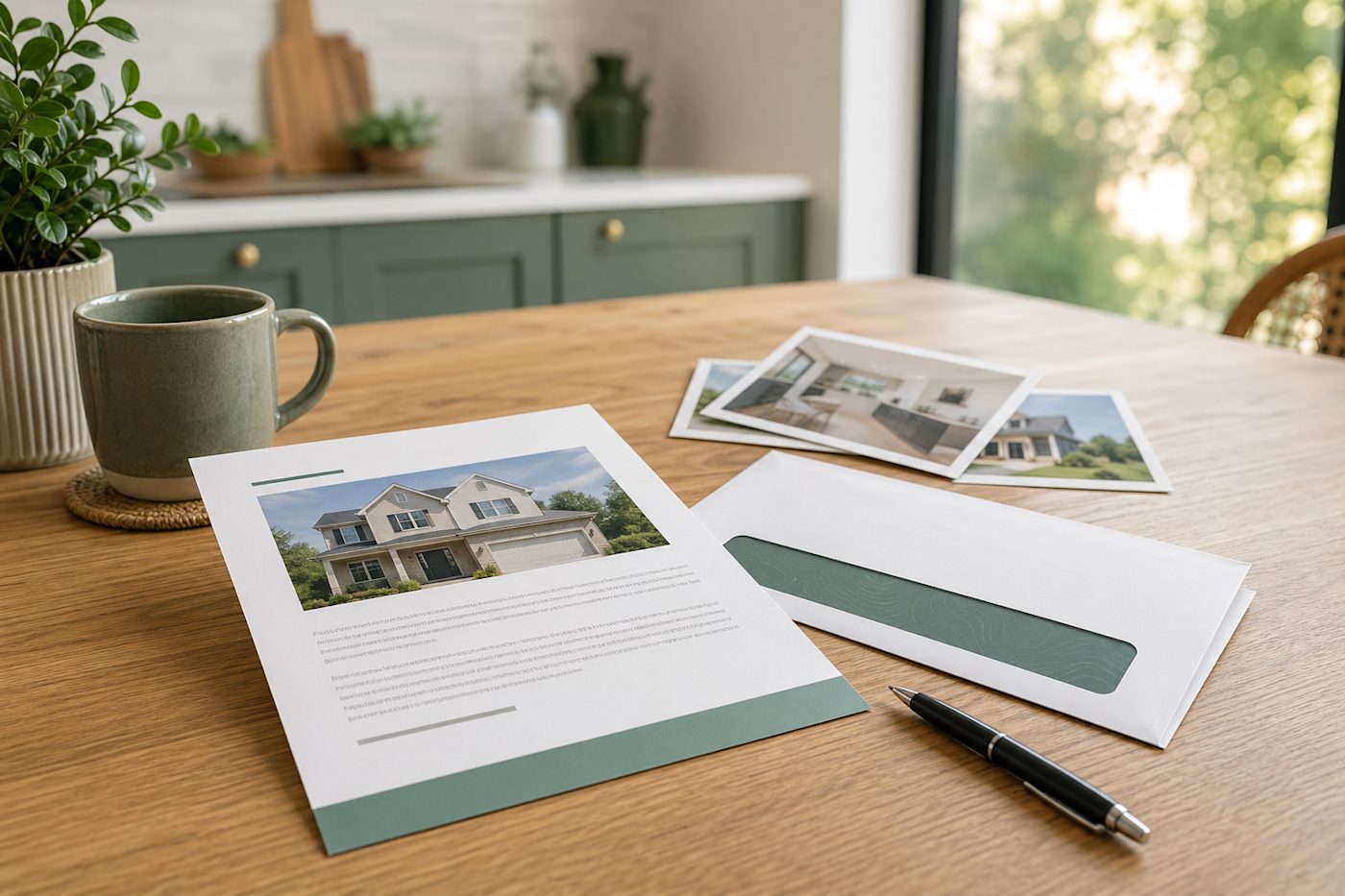
An introduction letter doesn’t need to be clever or salesy to work. In fact, the most effective letters are usually simple, clear, and reassuring. Homeowners just want to know who you are, what you do, and whether you feel like someone they can trust.
Getting the details right makes it easier for them to take the next step.
Within the first few lines, the homeowner should immediately understand your trade and the type of work you do.
Avoid vague wording. Clear descriptions like “local electrician specialising in domestic work” are far more effective than general phrases that could apply to anyone.
People respond better when they understand the reason for the letter.
Whether it’s related to local work, recent planning activity, or simply introducing your services, a clear and honest reason builds trust and reduces scepticism.
Referencing the local area helps the letter feel relevant rather than generic.
You don’t need full addresses or personal details — simply mentioning the town, village, or area you cover reassures homeowners that you’re genuinely local.
Your letter should sound like a person, not a company brochure.
Plain language, short sentences, and a friendly tone work best. Overly formal or sales-heavy wording can put people off before they reach the end.
The easier it is for someone to respond, the more likely they are to do so.
Clear contact details are essential. This might include a phone number, an email address, and a QR code linking to more information about your business.
Many trades choose to use a dedicated phone number or a dedicated email address specifically for their letters, making enquiries easier to manage and simpler to track. QR codes can also help by letting homeowners quickly visit a website or enquiry page without typing anything.
Giving people more than one easy way to respond removes friction and increases response rates.
You don’t need to list every qualification or talk yourself up.
Small reassurances — such as being local, experienced, or fully insured — are often enough to build confidence without sounding boastful.
Tell the homeowner what to do next.
A line like “If you’d like to discuss your project, feel free to get in touch” gives gentle direction without pressure.
Long letters, too many claims, or multiple calls to action can overwhelm.
Clear, focused letters are easier to read and more likely to get a response.
Effective introduction letters are clear, relevant, and easy to act on. By focusing on the right details — who you are, why you’re getting in touch, and how to respond — you make it simpler for homeowners to trust you and get in touch.
This works best when combined with a clear plan, which is covered in how many letters you should send each month.
For the wider context, you may also want to read why introduction letters work .
Latest guides
TradeMailer guide
How reaching property owners shortly after planning approval can help you get in before competitors and build a stronger pipeline of future work
Read articleTradeMailer guide
Why direct mail works better when it supports your digital channels, and how repeated exposure helps trades win more enquiries.
Read articleTradeMailer guide
Are planning leads better than lead sites? Learn the key differences in timing, competition and intent, and how tradespeople use each to win work.
Read articleSmart lead generation for trades - powered by planning application
©2026 TradeMailer LTD. All rights reserved.